apostrophes and morphemes

Shadow lists the contents of an interesting special issue of Written Language & Literacy.

One of the pieces, The apostrophe: A neglected and misunderstood reading aid, has this to say:

Almost all apostrophes commonly explained as indicating omission can also be explained as marking morpheme boundaries. No apostrophes that do not mark boundaries do occur at all in the earliest texts and in modern formal texts.

Consequently, the apostrophe ought to be defined as having as its one dominant function the indication of morpheme boundaries where for certain reasons this seems necessary….

Furthermore, the apostrophe, which was borrowed into the Latin alphabet from Greek, seems to have indicated a boundary rather than an omission from the start.

This is also how apostrophes are used in Pinyin.

further reading:

Taipei County signage and romanization systems

Speaking yesterday on topics related to signage and romanization, Taipei County Magistrate Zhou Xi-wei said that Taipei County should have its systems match those of Taipei City:

Táiběi Xiànzhǎng Zhōu Xīwěi xīwàng yǐ shēnghuóquān wéi kǎoliáng, yào hé Táiběi Shì zhěnghé yīzhì.

One of the implications of this is that for Taipei County, Taiwan’s most populous area, Tongyong Pinyin is out and Hanyu Pinyin is in.

This is no surprise, given that Zhou

  • is a member of the Kuomintang, whose chairman, Ma Ying-jeou, has backed Hanyu Pinyin and implemented it in Taipei in his role as mayor of the capital
  • campaigned for integration (whatever that’s supposed to mean) of Taipei County with Taipei City.

As an advocate of Hanyu Pinyin and resident of Taipei County, I’m pleased by the change. But as someone who has lived in Taiwan for ten years, I know all too well how likely it is that the new signage will be botched. Taiwan has a poor record of correct implementation of romanization — in any system. Moreover, there are aspects of Taipei City’s signage that Taipei County should certainly not copy, namely InTerCaPiTaLiZaTion (unnecessary and counterproductive) and “nicknumbering” (putting a number on a street does nothing to aid communication if nobody knows what the number refers to). So if this doesn’t end up another SNAFU, I’ll be pleasantly surprised. (Does anyone have any good contacts within the Taipei County government? I’d like to be able to talk with some people in charge well before this gets beyond the planning stage.)

Until late last year Taipei County was under a DPP administration, so its romanization policy, such as it was, was to use Tongyong Pinyin. But implementation has been spotty and often sloppy. Most street signs in Taipei County remain in MPS2. Banqiao has seen more signs in Tongyong Pinyin; but most of those have the romanization in such relatively tiny letters that it’s nearly useless for drivers.

Turning back for a moment to the news reports that prompted this post, an additional item of interest is the headline of one of the stories: Pīnyīn fāngshì「qiao」bùdìng Yīngwén dìmíng busasa (拼音方式「喬」不定 英文地名霧煞煞). Here, both qiao and busasa are Taiwanese, not Mandarin. (A-giâu or somebody else, help me out on the spelling here!)

Here’s one of the stories:

Táiběi jiéyùn Bǎnqiáo-Tǔchéng xiàn jiāng yú wǔ yuèfèn tōngchē zhì Tǔchéng yǒng nìng zhàn, yīnyīng zhuǎnchéng lǚkè xūyào, Tái-Tiě Bǎnqiáo chēzhàn jiāng shèzhì línshíxìng zhǐshì pái. Bùguò, Yīngyǔ yìyīn hùnluàn, xiànzhǎng Zhōu Xī-wěi biǎoshì, gāi cǎiyòng Tōngyòng Pīnyīn huòshì Hànyǔ Pīnyīn, jiāng huì yǐ shēnghuóquān de gàiniàn wèi qiántí, yǔ Táiběi Shì zhěnghé.

So the additional MRT stations are opening in May after all. As a Banqiao resident who has waited long for that day, I’m happy to hear it. But since the stations are opening so soon, I’d be willing to bet that they’ll reproduce the mistakes already in the system instead of correcting them.

Zhōu Xī-wěi biǎoshì, wèilái yě jiāng tuīdòng yī piào fúwù dàodǐ wèi mùbiāo, rú mínzhòng chíyǒu yōu yóu kǎ huò qítā piàozhèng, jíkě zhuǎnchéng jiéyùn, gāo tiě huò Tái-Tiě, dāchéng dàzhòng yùnshū gōngjù jiāng gèng biànlì.

Zhōu Xī-wěi jīntiān xiàwǔ xúnshì Bǎnqiáo huǒchēzhàn rénxíng tōngdào, duìyú Tái-Tiě, gāo tiě jí jiéyùn sān tiě gòng gòu, zhàn pái, lù míng Yīngwén biāoshì què wǔhuābāmén, yǒude yòng Táiwān Tōngyòng Pīnyīn, yǒude yǐ Zhōngguó dàlù Hànyǔ Pīnyīn, érqiě biāoshì shífēn bù míngxiǎn, dēngguāng bùgòu míngliàng, Zhōu Xī-wěi xīwàng gè dānwèi xiétiáo gǎishàn.

Zhōu Xī-wěi rènwéi, Bǎnqiáo chēzhàn jiānglái shì quánguó zuìdà de jiāotōng zhuǎnyùnzhàn, měirì fúwù wúshù mínzhòng, biāoshì yīng yǐ jiǎndān fāngshì, qīngchu gàosu shǐyòng rénshēn yú héchù, gāi wǎng héchù qù.

sources:

Windows computer systems and Pinyin input of Chinese characters

I often get messages from people asking how to use Hanyu Pinyin to input Chinese characters on their English-language Windows systems. But the most I’ve ever added to my site on this topic is a brief page on using Pinyin to type Chinese characters on a U.S. English Windows 2000 system. Fortunately for everyone, now there’s Pinyin Joe’s Chinese computing resources, which explains in user-friendly detail how to set up Western-language Windows XP computers to input Chinese characters using Pinyin and even zhuyin fuhao. I certainly don’t recommend using zhuyin; but it’s nice to know the information on how to type it (both by itself and for character input) is available and put forward so clearly.

The site covers a few other areas as well. Check it out. Pinyin Joe’s also promises to cover Vista once Microsoft finally releases it.

Another good place to ask related questions is Forumosa‘s technology forum, especially within the thread on Hanyu Pinyin input for XP.

more on Beijing’s English and Pinyin signage

The plan to mix Pinyin and English on signage in Beijing is now official.

Orientations in road names should be in English, such as “MAIJIAPU East Rd.” This is unless it is part of the actual name, like “BEIWEI Rd.” [The “bei” in Beiwei means “north.”] However, road names starting with orientations should have them in initials only, for example, “E. CHANG’AN Ave.”

This regulation is the first part of a campaign to standardize English translations on public signs in Beijing. The campaign will extend to all tourist spots, commercial and cultural facilities, museums, subways, sports centers and hospitals in the city, the report said.

The use of “avenue” will be restricted for the time being to Chang’an Ave., Ping’an Ave, and Liangguang Ave.

A few terms will go untranslated: hutong (alley), li (lane), qu (district), and yuan (garden). Such terms are viewed as embodying Beijing’s culture (tǐxiàn Běijīng chéngshì wénhuà tèsè); the articles didn’t mention, however, that hutong is a loan word from Mongolian.

A few old standards will remain. “Tsinghua University” will remain as such; but road signs will read, for example, Qinghua South Rd.

sources:

UN to drop traditional Chinese characters: report

The other day at the meeting Zhou Youguang spoke at, a PRC official announced that beginning in 2008 the United Nations will cease issuing any material in traditional Chinese characters. Only versions in “simplified” characters will be released, he said.

I hadn’t known the U.N. was still using traditional characters at all.

JOHNNY DePP AND CHINeSe CHARACTeRS

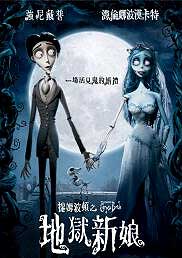
cover of 'Corpse Bride' in ChineseThe cover for the DVD for Tim Burton’s Corpse Bride (Dìyù Xīnniáng / 地獄新娘 / “Hell Bride”) has what for me is an arresting usage: the roman letter “e” has been incorporated into a Chinese character.

Tim Burton's ['Corpse Bride'] -- in Chinese characters

At first I thought this substitution of “e” for the 日 portion of the shì (是) phonetic element of 提 (tí) might be meant as playfully phonetic itself: “Teem” Burton, of sorts.

提姆波頓
Tímǔ Bōdùn

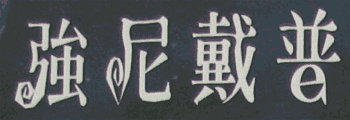
But then I noticed how Johnny Depp’s name was written:
Johnny Depp's name in Chinese characters

There’s that e again. But this case, the character, 普, which also has its 日 element replaced, doesn’t have a long e sound in its pronunciation:

強尼戴普
Qiángní Dàipǔ

“Daipu”? That sounds like a portmanteau for what’s found in dirty diapers. (Sorry. Couldn’t resist.)

So it was just a case of a designer having fun. The e has no phonetic function here.

But there’s something else interesting about how Johnny Depp’s name is written. The first character, 強, takes more strokes to write in its so-called simplified form than in traditional Chinese characters.

traditional (11 strokes) 強 强 “simplified” (12 strokes)

Zhou Youguang on 50th anniversary of simplified characters, etc.

Here’s the text of a speech by Zhou Youguang on the fiftieth anniversaries (but not to the day) of the scheme for “simplifying” Chinese characters and of the national directive on the popularization of Mandarin. I don’t share his enthusiasm for these. But, given his vital and clear-sighted work on Hanyu Pinyin, I’d be happy to publicize his views on just about anything.

And the fact that he’s still giving speeches at the age of 101 is nothing short of phenomenal.

Gèwèi lǐngdǎo, nǚshìmen, xiānshengmen:
Jīntiān wǒmen qìngzhù Guówùyuàn gōngbù 《Hànzì Jiǎnhuà Fāng’àn》 hé 《guānyú tuīguǎng Pǔtōnghuà de zhǐshì》50 zhōunián. 1956 nián Guówùyuàn gōngbù 《Hànzì Jiǎnhuà Fāng’àn》 hé 《guānyú tuīguǎng Pǔtōnghuà de zhǐshì》, dào xiànzài yǐ 50 nián le. Zhè 50 nián, shì wǒguó “yǔwén shēnghuó xiàndàihuà” fāzhǎn zuì kuài de shíqī, Hànzì de guīfànhuà hé Pǔtōnghuà de tuīguǎng qǔdé le qiánsuǒwèiyǒu de jìnzhǎn. 2000 nián gōngbù 《guójiā tōngyòng yǔyán wénzì fǎ》, zǒngjié guòqù, kāizhǎn wèilái, shǐ wǒguó yǔwén shēnghuó màixiàng xìnxī huà shídài.
Guīfàn Hànzì, bāokuò jiǎnhuàzì hé chuánchéng zì, zài wǒguó dàlù yǐjing tōngxíng, xiǎoxué jiàoshī shuō, jiǎnhuàzì hǎo jiāo, xiǎoxuéshēng róngyì rèn, róngyì xiě. Zài diànnǎo píngmù shàng jiǎnhuàzì yuèdú qīngxī, Liánhéguó de Zhōngwén wénjiàn zhǔnbèi yīlǜ yòng dàlù de guīfàn jiǎn Hànzì. Xǔduō zhǒng gǔdài shūji yǐjing fānyì chéng báihuàwén. Gǎi yìn guīfàn Hànzì. Jiǎnhuà bù fáng’ài shūfǎ yìshù, shūshèng Wáng Xīzhī jīngcháng xiě jiǎnhuàzì, shū-huà yìshù fēn shíyòng shūfǎ hé chún guānshǎng shūfǎ, shíyòng shūfǎ lìrú zhāopai yāoqiú dàzhòng néng kàndǒng, yíyú yòng guīfàn Hànzì. Yínháng jìlù de diànnǎohuà, fāshēng xìngmíng shēngpì zì bùbiàn shūrù diànnǎo hé zhuǎnzhàng, jīnhòu xìngmíng yòngzì yīngdāng yǐ tōngyòng Hànzì wéixiàn. Yī ge 13 yì rénkǒu de dàguó, guòqù duōshù rénmín dōu shì wénmáng, jīntiān dàduōshù rénmín zhèngzài jiēshòu jīchǔ jiàoyù, zhè shì wǒguó wénhuà lìshǐ de jùdà biànhuà.
Pǔtōnghuà shì Hàn mínzú de gòngtóngyǔ hé Zhōngguó de guójiā gòngtóngyǔ, tuīguǎng guójiā gòngtóngyǔ shì gōngyèhuà hé xìnxī huà de xūyào, chángqīyǐlái, tuīguǎng gōngzuò chíchí bù qián. Xiànzài, chuánshēng jìshù tūfēiměngjìn, guǎngbō, diànshì, yídòng diànhuà děngdeng, bāngzhù tuī-pǔ gōngzuò kuàisù fāzhǎn. Quánguó xuéxiào yuèláiyuè duō yǐ Pǔtōnghuà wéi xiàoyuán yǔyán. Gōngzhòng huódòng yuèláiyuè duō yǐ Pǔtōnghuà wéi gòngtóng méijiè. Rén-Dà, Zhèng-Xié yǐ Pǔtōnghuà zuòwéi huìyì yǔyán, gěi quánguó shùlì bǎngyàng. Xǔduō dà chéngshì rénkǒu měngzēng, wǔfāngzáchǔ, zhèngzài fāshēng “dàdūhuì huà” de yǎnbiàn, dàdūhuì xūyào yǐ Pǔtōnghuà wéi rìcháng yòngyǔ.
“Yányǔ yì shēng, wénzì yìxíng” de shídài jíjiāng guòqù, “shūtóngwén, yǔ tóngyīn” de shídài chū xiànzài wǒmen de miànqián, zài quánqiúhuà de 21 shìjì, Zhōngguó jiāng yǐ yī ge xiàndài wénmíng de dàguó yìlì yú shìjiè. Xièxie.

The source also has several nice photos of Zhou.

source: 组图:百岁语言文字学家周有光谈汉字, March 22, 2006

Only 5 percent in China have ‘habit of reading books’: report

Some in China have proclaimed that the country has a “reading crisis” (yuèdú wēijī / 阅读危机).

Only 5 percent of the 1.3 billion Chinese population has a habit of reading books, according to a report released by the China Publishing Research Institute in 2005.

Xi [Shu, a member of the National Committee of the Chinese People’s Political Consultative Conference and a board chairman of a publishing company based in Beijing,] argued frequent use of the Internet can lead to people’s easy satisfaction with a smattering of knowledge without deep thinking.

I haven’t been able to find the original of the 2005 report, so I don’t know how “habit” is defined, or even “books.” (What percent of those with the “habit,” for example, read primarily comic books?) And are students excluded? Regardless, it doesn’t sound good.

sources: