
another article on Chinese forgetting how to write characters

Just another reminder that computerization hasn’t “saved” Chinese characters but is hastening the erosion of people’s ability to write them.

“Wǒ dōu kuài bù huì xiězì le! Hěn duō yuán yǐwéi hěn shúxī de zì, náqǐ bǐ lái, jiùshì bù jìde zěnme xiě, lǎoshi xiǎng xiě pīnyīn.” 11 Yuè 2 rì, zài Shāndōng wēi hǎi mǒu jīguān gōngzuò de cóng xiānsheng, pōwéi kǔnǎo de duì jìzhě shuō. Bùguāng shì cóng xiānsheng, jìzhě shēnbiān xǔduō péngyou dōu xiàng jìzhě fā guo lèisì de “gǎnkǎi”. “Diànzǐ shídài” de fùchǎnpǐn——”shūxiě zhàng’ài”, yǐ qiǎorán láidào wǒmen shēnbiān.

Qíshí, zhè bìngbù qíguài. Yǎnxià, suízhe diànnǎo jí wǎngluò de pǔjí, bàngōng jīběn shíxiàn le wú zhǐ huà, shàngwǎng liáotiān chéngwéi rénmen xīn de gōutōng fāngshì; ér shǒujī yǐ bùzài shì shēchǐpǐn, zīfèi yě jìnyībù xiàjiàng, diànhuà jiāoliú, shǒujī duǎnxìn dàitì le chuántǒng de shūxìn jiāoliú. Rénmen yòng bǐ xiězì de jīhuì yuèláiyuè shǎo. Jìzhě zài Shāndōng wēi hǎi mǒu jīguān de hòuqín chù liǎojiě dào, jìnniánlái, bǐjìběn, yuánzhūbǐ de shǐyòng liàng zhúnián xiàjiàng, ér dǎyìn zhǐ hé mòhé děng diànnǎo hào cái de shǐyòng liàng zé dàfúdù zēngzhǎng.

Shūxìn, yǐwǎng yīzhí shì dàxuéshēng yǔ fùmǔ hé wàidì tóngxué jiāoliú de zhǔyào fāngshì, ér jìzhě zài Shāndōng wēi hǎi liǎng suǒ gāoxiào cǎifǎng shí què liǎojiě dào zhèyàng de xìnxī: 90% yǐshàng de tóngxué jīhū cónglái méi xiě guo xìn. Hā-Gōng-Dà wēi hǎi xiào qū de yī wèi xìng Liú de dàyī tóngxué gàosu jìzhě, bān lǐ 80% yǐshàng de tóngxué yòngshàng le shǒujī, sùshè lǐ hái zhuāngyǒu diànhuà, yǔ fùmǔ hé wàidì tóngxué jiāoliú zhǔyào shì dǎ diànhuà hé fā duǎnxìn, cónglái méi xiǎngdào guo yào xiěxìn. Xiě yīshǒu hǎozì, yuánběn zài dàxuéshēng qiúzhí shí, kěyǐ zuòwéi yī ge zhòngyào de fǎmǎ; ér xiànzài, dàxuéshēng qiúzhí shí, suǒxū cáiliào dōu shì dǎyìn de, jīběn bùyòng xiězì. Xǔduō dàxuéshēng rènwéi, zì xiě de zěnmeyàng, duì jīnhòu de gōngzuò méi shénme yǐngxiǎng: “liàn xiězì hái bùrú liàn liàn diànnǎo dǎzì, fǎnzheng yǐhòu zhǔyào shì yòng diànnǎo.”

Yóuyú pīnyīn dǎzì jiǎndān [róng]yì xué, yīncǐ, chúle zhuānmén de dǎzìyuán wài, xǔduō rén dōu xuǎnzé pīnyīn dǎzì fǎ, zhèyàng yīlái, gèng jiāzhòng le rénmen duì Hànzì shūxiě de “mòshēng gǎn”, tíbǐ wàng zì de qíngxing shíyǒu fāshēng. Gèngwéi yánzhòng de shì, yóuyú diànnǎo pǔjí de jiākuài, zhōng-xiǎo xuésheng jiēchù diànnǎo de jīhuì yuèláiyuè duō, hěn duō xuésheng shènzhì shì jiāzhǎng dōu hūshì le “liànzì” de zhòngyàoxìng. Zài huán cuì qū yī suǒ zhōngxué gōngzuò de Sòng lǎoshī shēn yǒugǎn chùdì shuō: “xiànzài de xuésheng zì xiě de yuèláiyuè chà. Chúle fāzhǎn xìngqù àihào wài, hěn shǎoyǒu tóngxué yǒu yìshi de liàn yīxià zì. Xiāngfǎn, tāmen yòng qǐ diànnǎo, dǎqǐ zì lái què déxīnyìngshǒu, bǐ chéngniánrén hái shúliàn. ”

Zhēnduì zhèizhǒng xiànxiàng, yǒuguān zhuānjiā rènwéi, xiězì shì yī gèrén zhōngshēng de běnlǐng, liàn hǎo xiězì duì yī gèrén yóuqíshì qīng-shàonián de xīnlǐ, shēnglǐ yǐjí sīwéi hé xiétiáo nénglì děng fāngmiàn de péiyǎng, shì diànnǎo suǒ wúfǎ qǔdài de. Yīncǐ, píngshí yǒu yìshi de duō tíbǐ liàn liàn xiězì, fēicháng bìyào.

电子时代写字难 山东专家:写字本领不可丢

“我都快不会写字了!很多原以为很熟悉的字,拿起笔来,就是不记得怎么写,老是想写拼音。”11月2日,在山东威海某机关工作的丛先生,颇为苦恼地对记者说。不光是丛先生,记者身边许多朋友都向记者发过类似的“感慨”。“电子时代”的副产品——“书写障碍”,已悄然来到我们身边。

其实,这并不奇怪。眼下,随着电脑及网络的普及,办公基本实现了无纸化,上网聊天成为人们新的沟通方式;而手机已不再是奢侈品,资费也进一步下降,电话交流、手机短信代替了传统的书信交流。人们用笔写字的机会越来越少。记者在山东威海某机关的后勤处了解到,近年来,笔记本、圆珠笔的使用量逐年下降,而打印纸和墨盒等电脑耗材的使用量则大幅度增长。

书信,以往一直是大学生与父母和外地同学交流的主要方式,而记者在山东威海两所高校采访时却了解到这样的信息:90%以上的同学几乎从来没写过信。哈工大威海校区的一位姓刘的大一同学告诉记者,班里80%以上的同学用上了手机,宿舍里还装有电话,与父母和外地同学交流主要是打电话和发短信,从来没想到过要写信。写一手好字,原本在大学生求职时,可以作为一个重要的砝码;而现在,大学生求职时,所需材料都是打印的,基本不用写字。许多大学生认为,字写得怎么样,对今后的工作没什么影响:“练写字还不如练练电脑打字,反正以后主要是用电脑。”

由于拼音打字简单易学,因此,除了专门的打字员外,许多人都选择拼音打字法,这样一来,更加重了人们对汉字书写的“陌生感”,提笔忘字的情形时有发生。更为严重的是,由于电脑普及的加快,中小学生接触电脑的机会越来越多,很多学生甚至是家长都忽视了“练字”的重要性。在环翠区一所中学工作的宋老师深有感触地说:“现在的学生字写得越来越差。除了发展兴趣爱好外,很少有同学有意识地练一下字。相反,他们用起电脑、打起字来却得心应手,比成年人还熟练。”

针对这种现象,有关专家认为,写字是一个人终生的本领,练好写字对一个人尤其是青少年的心理、生理以及思维和协调能力等方面的培养,是电脑所无法取代的。因此,平时有意识地多提笔练练写字,非常必要。

source: Diànzǐ shídài xiězì nán Shāndōng zhuānjiā: xiězì běnlǐng bùkě diū, Dàzhòng Rìbào, November 4, 2005.
Taiwan to introduce Mandarin test for prospective foreign students

Beginning next June, Taiwan will require that foreign students and overseas Taiwanese-Chinese applying to study in universities take a newly developed Mandarin proficiency text, according to the Taipei Times. Those who do not pass will be required to take Mandarin lessons to supplement their studies.

Here are the proficiency test levels:

  • Elementary
    Level 1
    can understand simple instructions and basic dialogues
    Level 2
    can understand the main points of topic and read ads, posters, etc.
  • Intermediate
    Level 3
    can understand general conversation and short texts
    Level 4
    can pick up the main points of a discussion and understand longer texts
  • Advanced
    Level 5
    can discuss specialist subjects and understand simple classical Chinese texts and proverbs
    Level 6
    can expound upon and discuss topics and understand news reports at native speed
    Level 7
    native speaker fluency

source: Foreign students face Mandarin test, Taipei Times, Thursday, Nov. 3, 2005.

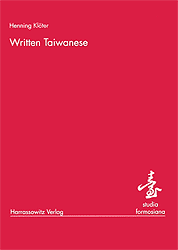
‘Written Taiwanese’ — new book

Harrassowitz has released a new book by Henning Klöter, Written Taiwanese (ISBN 3447050934).

Here’s the publisher’s blurb:

Written Taiwanese provides the first comprehensive account of the different ways in which Taiwanese (i.e., the Southern Min language of Taiwan) has been represented in written sources. The scope of the study ranges from early popular writings in closely related dialects to present-day forms of written Taiwanese. The study treats written Taiwanese both as a linguistic and as a socio-political phenomenon. The linguistic description focuses on the interrelation between written units and Taiwanese speech and covers various linguistic sub. elds, such as Taiwanese lexicography, phonology, and morphosyntax. The socio-political analysis explores the historical backgrounds which have led to different conventions in writing Taiwanese.

cover of book 'Written Taiwanese'
Here are some related links:

Look for a review of this book in a forthcoming issue of the Journal of Chinese Linguistics.

signage with tone marks

This morning I spotted something rare: official, government signage with tone marks. As a matter of fact, I can’t recall ever seeing this before in Taiwan. (It’s not so rare in China.)

There were three signs together, posted horizontally above the southeastern-bound lanes of a highway running through Zhonghe, near Taipei.

They read as follows:

新店
Sindiàn
秀朗橋
Siòulǎng Bridge
景平路
Jǐngpíng Rd.

Please note several points:

  • These are in Tongyong Pinyin rather than Hanyu Pinyin (in which they would be written Xiùlǎng Qiáo, Xīndiàn, and Jǐngpíng Lù, respectively.
  • They are written in a mix of romanization and English, which is typical in Taiwan. Although I don’t favor this style, it is so pervasive here that changing it is a relatively low priority compared with other romanization problems.
  • The use of tone marks differs in Tongyong Pinyin and Hanyu Pinyin, with first tone not being marked in Tongyong.

I suspect these signs are one-offs, not, um, signs of things to come. But I’ll keep my eyes open.

The tone marks on the signs were done poorly, with the marks being too small and placed far above the relevent vowels. The letter i, for example, should lose its dot when it takes a tone mark.


(I’ve adjusted the second image to move the signs closer together.)

I apologize for the poor quality of the photos. They were taken through the dirty windshield of a speeding bus.

some grammatical terms &c. in English and Mandarin

I just typed out this list of terms for someone and thought I might as well make it available here in case anyone else would find it useful.

English Pinyin traditional simplified
noun míngcí 名詞 名词
verb dòngcí 動詞 动词
adjective xíngróngcí 形容詞 形容词
adverb fùcí 副詞 副词
numeral shùcí 數詞 数词
measure word liàngcí 量詞 量词
pronoun dàicí 代詞 代词
preposition jiècí 介詞 介词
conjunction liáncí 連詞 连词
particle zhùcí 助詞 助词
interjection tàncí 嘆詞 叹词
onomatopoeia xiàngshēngcí 象聲詞 象声词
prefix qiánzhuì 前綴 前缀
suffix hòuzhuì 後綴 后缀
construction jiégòu 結構 结构

Singapore to allow electronic Chinese dictionaries in exams

Students in Singapore will be able to use certain government-approved handheld electronic Mandarin dictionaries in national exams beginning in 2007. Some printed dictionaries are already allowed for ‘O’ level mother tongue composition exams and, from next year, will also be permitted in PSLE mother tongue composition exams.

The electronic dictionaries will be allowed in the Chinese language composition part of the PSLE and GCE ‘N’, ‘O’ and ‘A’ levels.

I’ve written to the company that makes one of the approved electronic dictionaries, the Hansvision Handheld Dictionary PX2051, for details but have not received a response. The product costs S$24 (about US$14).

The move to allow the electronic devices is in response to a report issued last year by the Chinese Language Review Committee that recommended their use.

Basically, students are finding Chinese characters just too much trouble, so Singapore, wisely, has changed its approach to teaching Mandarin to focus more on speaking and listening. Now if it would just place more emphasis on Pinyin….

source: Electronic Chinese dictionaries to be allowed in national exams, Channel News Asia, October 25, 2005.

Q, W, and Turkish law

Reuters is reporting that a Turkish court has fined 20 people some US$75 each for using the letters Q and W on placards. The signs, displayed last year at a Kurdish new year celebration, were written in Kurdish.

The 1928 Law on the Adoption and Application of Turkish Letters changed the Turkish alphabet from the Arabic script to a modified Latin script and required all signs, advertising, newspapers and official documents to only use Turkish letters.

Kurdish, when written in the Roman alphabet, makes use of several letters not found in the Turkish alphabet, including Q, W, and X.

A ban on Q and X here in Taiwan might go over well with some ideologues. Taiwan’s Ministry of Foreign Affairs already prevents people from using Hanyu Pinyin (which, unlike Wade-Giles and the locally developed Tongyong Pinyin, uses those two letters) on their passports, even though that’s the system the president of the country uses for the romanized version of his own name!

source: 20 fined for using letters W and Q, Reuters, October 25, 2005.