Recently, Victor Mair posted an image from Taichung of an apostrophe r representing “Mr.” (Alphabetic “Mr.” and “Mrs. / Ms.” in Chinese)
Here’s a companion image for a Ms. Huang.
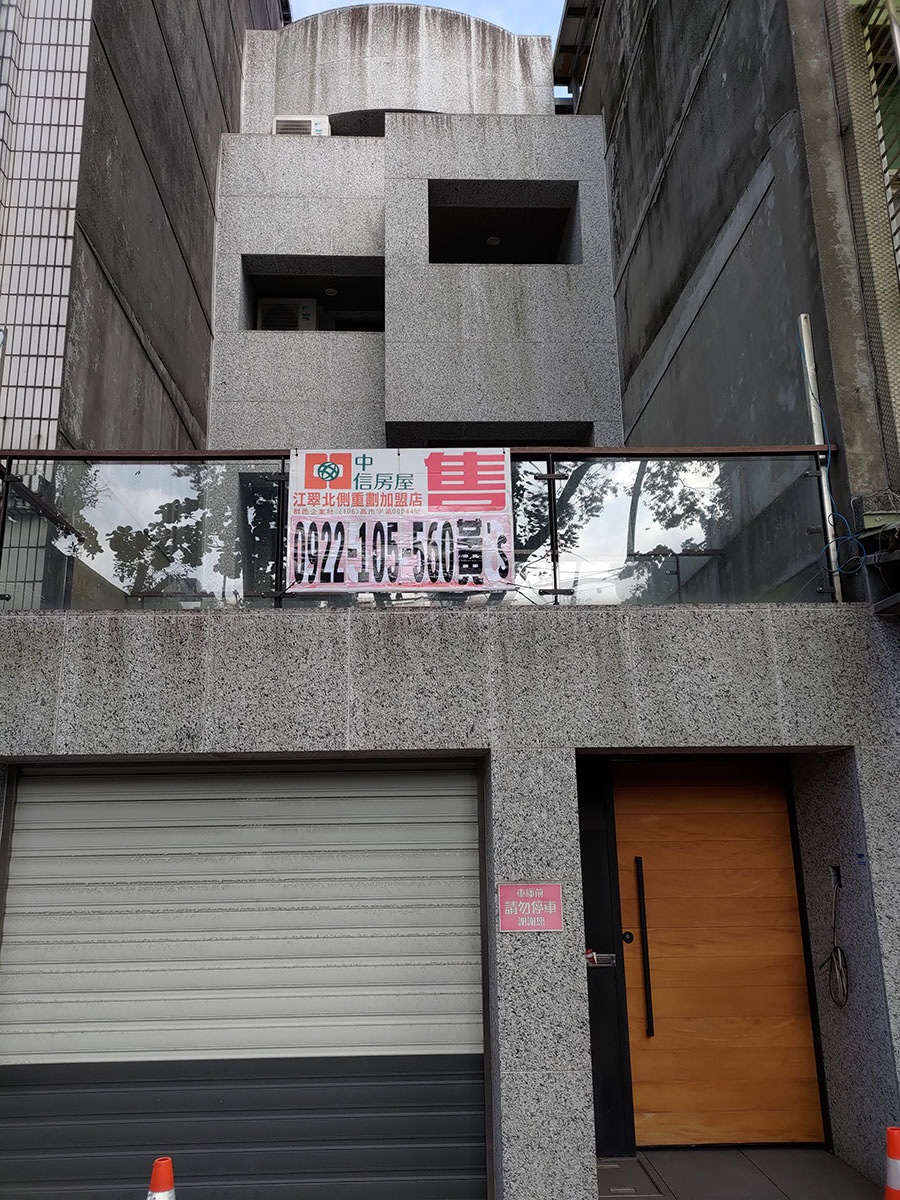

Recently, Victor Mair posted an image from Taichung of an apostrophe r representing “Mr.” (Alphabetic “Mr.” and “Mrs. / Ms.” in Chinese)
Here’s a companion image for a Ms. Huang.
Professor Qián Nǎiróng (Qian Nairong / 錢乃榮) of Shanghai University has just issued free software to help with the writing of Shanghainese (上海话). People may now download the 1.3 MB zip file of the program.
Some examples:
shanghe 上海
shanghehhehho 上海闲/言话(上海话)
whangpugang 黄浦江
suzouhhu苏州河
shyti 事体(事情)
makshy 物事(东西)
bhakxiang 白相(玩)
dangbhang 打朋(开玩笑)
ghakbhangyhou 轧朋友(交朋友)
cakyhangxiang 出洋相(闹笑话,出丑)
linfhakqin 拎勿清(不能领会)
dhaojiangwhu 淘浆糊(混)
aoshaoxhin 拗造型(有意塑造姿态形象)
ghe 隑(靠)
kang 囥(藏)
yin 瀴(凉、冷)
dia 嗲
whakji 滑稽
The program offers two flavors of romanization. Here are some examples of the differences between the two styles:
| New Folk | Old Timers |
|---|---|
| makshy 物事(东西) bhakxiang 白相(玩) dangbhang 打朋(开玩笑) ghakbhangyhou 轧朋友(交朋友) cakyhangxiang 出洋相(闹笑话,出丑) linfhakqin 拎勿清(不能领会) |
mekshy 物事(东西) bhekxian 白相(玩) danbhan 打朋(开玩笑) ghakbhanyhou 轧朋友(交朋友) cekyhanxian 出洋相(闹笑话,出丑) linfhekqin 拎勿清(不能领会) |
Here’s a brief story on this:
Xiànzài, wǒmen zài wǎngluò zhōng liáotiān de shíhou yuèláiyuè duō de péngyou dōu kāishǐ xǐhuan yòng Shànghǎihuà. Dànshì yǒushíhou shìbushì juéde xiǎng biǎodá dehuà bùzhīdào zěnme dǎ, nòng de yǒudiǎn bùlúnbùlèi ne? Xiànzài, yī ge kěyǐ qīngsōng dǎchū Shànghǎihuà de chéngxù chūlai le.
Jīngguò liǎng nián nǔlì, Shànghǎi dàxué Zhōngwénxì Qián Nǎiróng jiàoshòu jí tā de yánjiūshēng hé dādàng zhōngyú yú běnyuè wánchéng le Shànghǎihuà shūrùfǎ de zhìzuò. Zhíde guānzhù de shì, zhè tào shūrùfǎ hái bāokuò xīn-lǎo liǎng ge bǎnběn, 45 suì yǐshàng de lǎo Shànghǎi rénhé niánqīng yī dài de Shànghǎirén dōu kěyǐ zhǎodào zìjǐ de “dǎfǎ.”
Háishi tóngyàng 26 ge zìmǔ de jiànpán, 8 yuè 1 rì qǐ xiàzài le Shànghǎihuà shūrùfǎ zhīhòu, nín jiù kěyǐ tōngguò shūrù “linfhakqin” dǎchū “līn wù qīng,” shūrù “dhaojiangwhu” dǎchū “táo jiànghu” děng yuánzhī yuán wèi de Shànghǎihuà le. Zuótiān, jìzhě tíqián xiàzài dào gāi ruǎnjiàn. Ànzhào shǐyòng shuōmíng, yòng quánpīn de fāngshì chángshì shūrù “laoselaosy” zhèxiē zìmǔ, píngmù shàng, lìjí chūxiàn le “lǎo sānlǎo sì” (Shànghǎihuà, yìsi shì “màilǎo, chōng lǎochéng de yàngzi”).
Jùxī, yóuyú Shànghǎihuà yǔ Pǔtōnghuà de dúfǎ yǒusuǒbùtóng, suǒyǐ zài pīnyīn pīnxiě fāngshì shàng háishi xūyào shǐyòng shuōmíng de bāngzhù. Bǐrú jìzhě fāxiàn, fánshì yǔ Pǔtōnghuà shēngmǔ, yùnmǔ xiāngtóng de zì, zài Shànghǎihuà shūrùfǎ zhōng zuìzhōng yòng de háishi Pǔtōnghuà pīnyīn, bùtóng de zé cǎiyòng Shànghǎihuà shūrùfǎ de pīnxiě fāngshì. Rú “chénguāng” de “chén,” “huātou” de “tóu” dōu fāchéng zhuóyīn, Shànghǎihuà pīnyīn shūrùfǎ zhōng yàozài shēngmǔ zhōng jiā yī ge zìmǔ h, pīnchéng “shen,” “dhou;” fánshì rùshēng zì, zé zài pīnyīn hòu jiā zìmǔk, rú “báixiāng” de “bái” jiù pīnchéng bhek.
Bùguò, dàjiā bùyào juéde tài nán. Jìzhě fāxiàn, Shànghǎihuà shūrùfǎ yǔ Pǔtōnghuà de shūrùfǎ zuìdà xiāngtóng zhī chǔzài yú, zhǐyào liánxù shūrù shēngmǔ hé yùnmǔ jiù kěyǐ, bùxū shūrù shēngdiào. Cǐwài, Shànghǎihuà pīnyīn shūrù xìtǒng háiyǒu lèisì “zhìnéng” yōudiǎn, kěyòng suōlüè fāngshì bǎ cíyǔ pīnxiě chūlai.
Zhǔchí Shànghǎihuà shūrùfǎ kāifā de Shànghǎi dàxué Zhōngwénxì Qián Nǎiróng jiàoshòu gàosu jìzhě, zhè tào shūrùfǎ bùjǐn néng dǎchū Shànghǎihuà dà cídiǎn zhōng 15,000 duō ge cítiáo, érqiě hái néng yòng Shànghǎihuà pīnyīn dǎchū Shànghǎihuà zhōng shǐyòng zhe de, yǔ Pǔtōnghuà cíyì xiāngtóng dàn yǔyīn bùtóng de chángyòng cíyǔ. Rú “Huángpǔ Jiāng” shūrù “whangpugang” , “lǐxiǎng” zéshì lixiang děng, gòngjì 10,000 duō ge cítiáo.
sources:
The latest new release from Sino-Platonic Papers is one that I think will be of particular interest to readers of Pinyin News. It’s an extensive study of not only the attitudes of speakers of Cantonese and Mandarin toward the status of Cantonese but also their beliefs about its future, especially in Hong Kong: Language or Dialect–or Topolect? A Comparison of the Attitudes of Hong Kongers and Mainland Chinese towards the Status of Cantonese (650 KB PDF), by Julie M. Groves.
This study reports on a comparative survey of three groups of Chinese: 53 Hong Kong Cantonese speakers, 18 Mainland Chinese Cantonese speakers, and 72 Mainland Chinese Putonghua speakers. It was found that the Putonghua speakers held more ‘classic’ views, the majority seeing Cantonese as a dialect. In contrast, only just over half the Hong Kongers and two-fifths the Mainland Cantonese speakers considered it clearly a dialect, while one-third of all respondents favoured a mid-point classification. The differing perspectives held by the groups can be traced to their different political and linguistic situations, which touch issues of identity.
The author notes, “The uncertainties in classification also reflect a problem with terminology. The Chinese word usually translated dialect, fangyan (方言), does not accurately match the English word dialect.” Groves recommends the adoption of Victor Mair’s proposed English word for fangyan: topolect.
Although this focuses on the dialect vs. language debate, it covers much more than that. Those being surveyed were also asked questions such as:
The results of the study may also prove useful for those interested in the future of other languages of China and Taiwan, such as Taiwanese and Shanghainese.
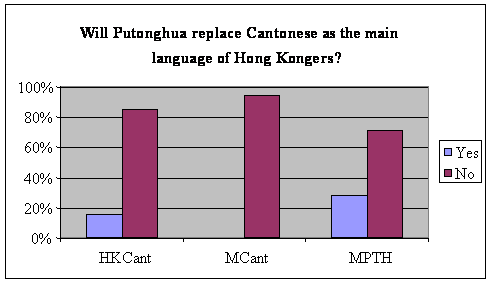
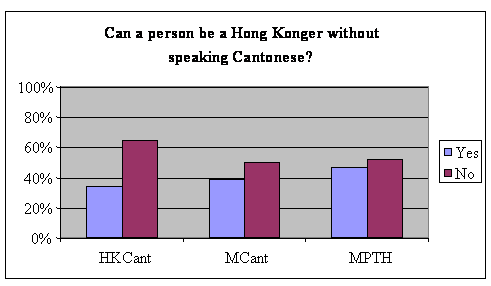
Here are a couple of the many graphs found in the study.
HK Cant = Hong Kong Cantonese speakers
MCant = mainland Cantonese speakers
MPTH = mainland speakers of Mandarin (“Pǔtōnghuà“)
Another back issue of Sino-Platonic Papers has been released, this one of particular relevance to the themes of this site: What Is a Chinese “Dialect/Topolect”? Reflections on Some Key Sino-English Linguistic Terms (1991), by Professor Victor H. Mair of the University of Pennsylvania’s Department of East Asian Languages and Civilizations.
Here is the abstract:
Words like fangyan, putonghua, Hanyu, Guoyu, and Zhongwen have been the source of considerable perplexity and dissension among students of Chinese language(s) in recent years. The controversies they engender are compounded enormously when attempts are made to render these terms into English and other Western languages. Unfortunate arguments have erupted, for example, over whether Taiwanese is a Chinese language or a Chinese dialect. In an attempt to bring some degree of clarity and harmony to the demonstrably international fields of Sino-Tibetan and Chinese linguistics, this article examines these and related terms from both historical and semantic perspectives. By being careful to understand precisely what these words have meant to whom and during which period of time, needlessly explosive situations may be defused and, an added benefit, perhaps the beginnings of a new classification scheme for Chinese language(s) may be achieved. As an initial step in the right direction, the author proposes the adoption of “topolect” as an exact, neutral translation of fangyan.
The entire text is now online as a 2.2 MB PDF: What Is a Chinese “Dialect/Topolect”? Reflections on Some Key Sino-English Linguistic Terms.
Strongly recommended.
From the China Daily a few months ago.
A linguistics expert has claimed Shanghainese are overusing the English language.
“It’s a blind worship of the English language,”said Pan Wenguo, dean of Chinese as a Foreign Language School at East China Normal University, at a conference held Monday to commemorate the 20th anniversary of promoting Putonghua, or Mandarin.
He added the business sector was particularly responsible for the trend, claiming many people used English “more for following others blindly than for practical needs.”
Pan said up to one-third of Chinese are studying or have studied English, while the number of English learners in Shanghai is even higher.
“English is not bad in itself, but the present mania of learning English is really too much,”said Pan.
Last Sunday, more than 50,000 Shanghai locals sat the English Interpreter Test of middle to high levels, an increase of 20 per cent on last year.
The time set a side for English learning has been on the rise for students at various levels….
In the increasingly competitive job market, the English Certificate has become one of the most important qualifications employees look for, ranking only behind diplomas.
Many employers, especially in the business sector, tend to hire only people with good English communication abilities….
source: Linguist criticizes ‘blind worship’ of English, China Daily, September 23, 2006
It’s a sad situation that it’s newsworthy when a play is presented in the native language of most of those in one of the world’s largest cities. But in this case it’s also an occasion for hope.
Recently, for the first time in decades, a drama primarily in Shanghainese was presented in Shanghai. (I would guess that local operas, however, have been performed in Shanghainese with little interruption.) Unfortunately, as the Shanghaiist reports, there were some problems with this production of 《乌鸦与麻雀》 (Mandarin title: Wūyā yǔ Máquè; English title: The Crow and the Sparrow).
[T]he blame is being assigned to the fact that the production was too hastily prepared, leading them to overlook things like subtitles.
You might ask, why, if most of the dialogue is in Shanghainese, would people other than non-locals need subtitles? It turns out that aside from standard Shanghai dialect, Ningbo, Suzhou, Shandong and other dialects were also thrown in—the story takes place during the Republic period (1911-1949) at a time when many immigrants were first putting down roots in Shanghai. The production team also prepared a putonghua version of the play, which they used during the last performance here and will use if they take the play to other parts of China. All in all, it seemed as if this was a less than ideal way to restart this tradition.
Nonetheless, I’m encouraged that the authorities allowed this play to be staged in Shanghainese. Perhaps its roots as a popular film from the late 1940s and its anti-KMT storyline helped it get by the censors.
The Shanghaiist also mentions an interesting-sounding book: Rendering the Regional: Local Language in Contemporary Chinese Media, by Edward M. Gunn. The introduction (663 KB PDF) is available online. I look forward to reading the entire book once I can find it in a library or locate an inexpensive copy.
sources:
John DeFrancis — whose name should be familiar to most readers of this site, especially for his essential work The Chinese Language: Fact and Fantasy, which contains his refutation of the ideographic myth — has just published a new article: “The Prospects for Chinese Writing Reform.”
This article is the first in the new, electronic-format releases of Sino-Platonic Papers. Moreover, these new issues will be available free of charge.
I strongly recommend reading this.
China is stepping up its repression of Shanghainese, a language which, in its various forms (considering the Wu language group as a whole), is native to close to 100 million people, especially around Shanghai, China’s largest city.
According to rules announced on Wednesday, beginning next month most people in the public sector (including teachers and members of the broadcast media) must use Mandarin and no other Sinitic language when addressing the public.
Use of Shanghainese will be restricted to private conversations and special study programs, according to the Shanghai Language Works Commission.
The new rules, announced yesterday, represent the city’s first language standards. Radio and TV personalities, as well as government officials and teachers, are required to use Mandarin in their daily work.
Broadcasters can air Shanghai-dialect programming, but any new shows must be approved by the Shanghai Culture, Radio, Film and Television Administration.
“Residents of an international metropolis like Shanghai should speak Mandarin in public places, especially people in social service industries, government departments, schools and the media,” said Zhu Lei, office director of the language commission.
She said the city still needs to foster development of Shanghai dialect to preserve the city’s culture. But the use of dialect in public settings sets communications obstacles for the increasing number of migrants and foreigners.
Anyone who violates the new rule will be warned, and repeat offenders will have their names put on a blacklist.
Media outlets that launch new dialect programs without permission will be punished by the national radio and television administration.
There are now more than 10 city-based radio and TV programs broadcast in Shanghai dialect. Most are talk shows or entertainment series.
One of the channels under Shanghai Media Group tried to broadcast news in Shanghai dialect last year, but the effort was later halted for undisclosed reasons.
Lu Yunpeng, an official with the local TV and radio watchdog, said the agency will strictly control dialect-based news programs. For new entertainment shows, the administration will appoint a panel to examine proposals and determine their value.
At present, there are no plans to add new dialect programs or close down old ones.
Chen Mingfang, producer of the popular Shanghai dialect radio segment “Afugen,” said his show draws an excellent audience response. The daily program was even expanded from the original 30 minutes to an hour.
Chen, however, refused to comment on the new rules.
To that, I’d just add a few reminders:
source: Shanghai dialect takes back seat to Mandarin, Shanghai Daily, February 23, 2006