rebus writing Web tool

I just came across Woogle, which takes entered phrases and turns some or all of the words into pictures from Google searches. Basically, it’s a sort of rebus machine, especially if you play around with the spelling. Remember that the rebus principle is behind the creation of the Chinese-character writing system.

Here’s the result of one phrase I typed in:
Cat in the Hat -- rebus
(OK, it’s not a rebus. But those are a little harder to get to work.)

Woogle has a companion site named Toogle, which searches for the photo in Google that corresponds to an entered phrase and renders that photo in ascii art using the letters of the phrase itself.

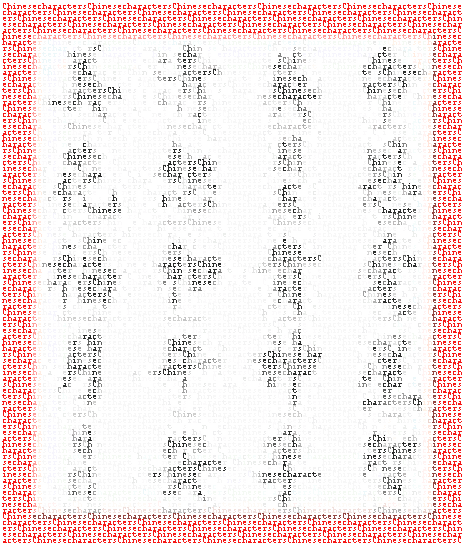
Here, for example, is my poor-man’s Xu Bing of the phrase “Chinese characters”:
imitation Xu Bing ascii art

Taiwan’s minister of education on language teaching

Dù Zhèng-shèng: xiāngtǔ yǔ jiàoxué pīnyīn xìtǒng jiāng xuǎn [róng]yì xué, [róng]yì yòng bǎn

Guózhōng xiǎoxué shǐyòng de xiāngtǔ yǔyán jiàocái méiyǒu biāozhǔn běn, cǎiyòng de pīnyīn xìtǒng yě bù yīzhì, yīxiē tiáojiào huò zhuǎnxué de jiàoshī yǔ xuésheng xiāngdāng kùnrǎo, jiàoyù bùzhǎng Dù Zhèng-shèng jīntiān biǎoshì, Jiàoyùbù Guóyǔ tuīxíng wěiyuánhuì tǎolùn guo jǐ cì, jiànlì yǐ “róngyì xué, róngyì yòng” zuòwéi pīnyīn xìtǒng zéyī de gòngshí, xīwàng bā, Jiǔyuè quèdìng.

Jiàoyùbù Guóyǔ tuīxíng wěiyuánhuì zhǔrèn wěiyuán Liáng Róng-mào biǎoshì, Huáyǔ, Kèjiāhuà de pīnyīn fúhào xìtǒng, zài Mínguó jiǔshí’èr niánchū tōngguò cǎiyòng tōngyòng pīnyīn xìtǒng, Mǐnnányǔ pīnyīn xìtǒng dào xiànzài hái méiyǒu quèdìng, tōngyòng, jiàohuì Luómǎ, TLPA sān zhǒng dōu yǒurén yòng, Guóyǔ huì zhèng diàochá xuéxiào jiàoshī rènwéi nà yī zhǒng pīnyīn xìtǒng bǐjiào hǎoxué, hǎo jiāo, zài tǎolùn juédìng.

Jiǔshísān (2004) xuénián dù Jiàoyùbù tuīdòng de xiāngtǔ yǔyán jiàoxué zhèngzài píng jiàn, píng jiàn wěiyuán shídì fǎngshì gè xiàn-shì xuéxiào hòu, zhè jǐ tiān zài guólì biānyìguǎn jìnxíng xiàn-shì shūmiàn zīliào jízhōng shěnchá, Dù Zhèng-shèng jīntiān guānkàn gè xiàn-shì zīliào, wèiwèn shěnchá wěiyuán, zhēnduì xiāngtǔ yǔyán jiàoxué jiàocái pīnyīn xìtǒng zhēngyì, tíchū qiánshù shuōmíng.

Dù Zhèng-shèng shuō, xiāngtǔ jiàoxué jiàocái bùlùn Héluò huà Mǐnnánhuà, Kèjiāhuà, yuánzhùmín yǔ, dōu shìyǐ yǔyán zuò jīchǔ, yǔyán zhīwài, háiyǒu wénhuà, lìshǐ, dìlǐ, zhěnggè xiāngtǔ jiàoxué nèiróng shì bǎ xiāngtǔ yǔyán yǔ xiāngtǔ jiāocái nèiróng jiéhé, wàijiè bǎ jiāodiǎn fàng zài pīnyīn xìtǒng, duì dì-yī xiàn gōngzuò de jiàoshī bìngbù zhòngyào.

Bùguò, Dù Zhèng-shèng biǎoshì, Jiàoyùbù Guóyǔ huì kāi guo jǐ cì huì, huòdé jīběn gòngshí, jiùshì yǐ “róngyì xué, róngyì yòng” wéizhǔ, cóng xuéxí zhě de jiǎodù chūfā, xīwàng tǎolùn chū yī tào dàjiā kě jiēshòu de pīnyīn xìtǒng.

杜正勝:鄉土語教學拼音系統將選易學易用版
中央社 2005-06-14 19:44

國中小學使用的鄉土語言教材沒有標準本,採用的拼音系統也不一致,一些調校或轉學的教師與學生相當困擾,教育部長杜正勝今天表示,教育部國語推行委員會討論過幾次,建立以﹁易學易用﹂作為拼音系統擇一的共識,希望八、九月確定。

教育部國語推行委員會主任委員梁榮茂表示,華語、客家話的拼音符號系統,在民國九十二年初通過採用通用拼音系統,閩南語拼音系統到現在還沒有確定,通用、教會羅馬、TLPA三種都有人用,國語會正調查學校教師認為那一種拼音系統比較好學、好教,再討論決定。

九十三學年度教育部推動的鄉土語言教學正在評鑑,評鑑委員實地訪視各縣市學校後,這幾天在國立編譯館進行縣市書面資料集中審查,杜正勝今天觀看各縣市資料,慰問審查委員,針對鄉土語言教學教材拼音系統爭議,提出前述說明。

杜正勝說,鄉土教學教材不論河洛話閩南話、客家話、原住民語,都是以語言做基礎,語言之外,還有文化、歷史、地理,整個鄉土教學內容是把鄉土語言與鄉土教材內容結合,外界把焦點放在拼音系統,對第一線工作的教師並不重要。

不過,杜正勝表示,教育部國語會開過幾次會,獲得基本共識,就是以﹁易學易用﹂為主,從學習者的角度出發,希望討論出一套大家可接受的拼音系統。

Another story on the same topic:

Xiāngtǔ yǔyán pīnyīn bùyī Guóyǔ huì yán yì

Jīn niándù (xiāngtǔ yǔyán jiàoxué píng jiàn) kāishǐ shěnchá, jiàoyù bùzhǎng Dù Zhèng-shèng jīntiān qiánwǎng guólì biānyìguǎn, liào jiě gè xiàn-shì xiāngtǔ yǔyán jiàoxué chéngguǒ. Dù Zhèng-shèng kěndìng gè xiàn-shì chuàngxīn jiàocái de yòngxīn, duìyú dāngjīn xiāngtǔ yǔyán pīnyīn xìtǒng bùyī de wèntí, dù bùzhǎng biǎoshì, jiāng jiāo yóu Guóyǔ tuīxíng wěiyuánhuì yán yì, bùguò wúlùn shì-fǒu cǎiqǔ tǒngyī pīnyīn xìtǒng, dōu yào yǐ xuéxí zhě jiǎodù chūfā, ràng lǎoshī hǎo jiāo, xuésheng hǎoxué cáihǎo.

Liào jiě gè xiàn-shì tuīdòng xiāngtǔ yǔyán jiàoxué chéngguǒ, Jiàoyùbù jīnnián dì-èr nián shíshī xiāngtǔ yǔyán jiàoxué píng jiàn, jiàoyù bùzhǎng Dù Zhèng-shèng Xīngqī’èr yě dào guólì biānyìguǎn shěncháhuì chǎng, qīnzì liào jiě gè xiàn-shì tuīdòng chéngjì. Dù Zhèng-shèng kěndìng xiànzài hěn duō xiàn-shì jiāo xiāngtǔ yǔyán de shíhou, bùzhǐ jiāo yǔyán, yě róngrù dāngdì lìshǐ wénhuà tèsè de yòngxīn, kàndào xǔduō xuéxiào dōu shànyòng duōméitǐ, wǎnglù děng kējì zì biān jiàocái, yě biǎoshì wèimiǎn, rènwéi cóng zhèxiē chéngguǒ lái kàn, yǐjing kěyǐ kàndào jiàogǎi de chéngjì. Zhìyú miànduì dāngjīn zuì ràngrén fánnǎo de gè dì pīnyīn xìtǒng bù yīzhì wèntí, Dù Zhèng-shèng biǎoshì, Jiàoyùbù yǐjing wēi tuō Guóyǔ tuīxíng wěiyuánhuì yán yì, huì cóng xuéxí zhě jiǎodù chūfā, zài zuò juédìng.

Jīn niándù xiāngtǔ yǔyán jiàoxué píng jiàn zhè jǐ tiān jìnxíng shūmiàn shěnchá, zhīhòu yóu gè xiàn-shì jìnxíng chéngguǒ jiǎnbào, xiàn-shì chéngjì zhīwài, Liùyuè dǐ yě jiāng xuǎnbá jì yōu jiàoshī, zuìhòu píng jiàn jì yōu xiàn-shì jiāng zài Qīyuè xiàxún bānjiǎng biǎoyáng.

鄉土語言拼音不一 國語會研議

今年度﹝鄉土語言教學評鑒﹞開始審查,教育部長杜正勝今天前往國立編譯館,瞭解各縣市鄉土語言教學成果。杜正勝肯定各縣市創新教材的用心,對於當今鄉土語言拼音系統不一的問題,杜部長表示,將交由國語推行委員會研議,不過無論是否採取統一拼音系統,都要以學習者角度出發,讓老師好教、學生好學才好。(羅皓恩報導)

瞭解各縣市推動鄉土語言教學成果,教育部今年第二年實施鄉土語言教學評鑑,教育部長杜正勝星期二也到國立編譯館審查會場,親自瞭解各縣市推動成績。杜正勝肯定現在很多縣市教鄉土語言的時候,不只教語言、也融入當地歷史文化特色的用心,看到許多學校都善用多媒體、網路等科技自編教材,也表示慰勉,認為從這些成果來看,已經可以看到教改的成績。至於面對當今最讓人煩惱的各地拼音系統不一致問題,杜正勝表示,教育部已經委託國語推行委員會研議,會從學習者角度出發,再做決定。

今年度鄉土語言教學評鑑這幾天進行書面審查,之後由各縣市進行成果簡報,縣市成績之外,六月底也將選拔績優教師,最後評鑑績優縣市將在七月下旬頒獎表揚。

Mandarin pop/rock lyrics in Pinyin

Lately I’ve been adding the lyrics to some songs, including titles by Cui Jian, Faye Wong, Wu Bai and China Blue, and Jay Chou.

I haven’t included Chinese characters. Keep in mind that songs are meant to be heard, not read. Also, tones generally disappear when words are sung. Thus, these songs should be considerably easier to understand when read in Pinyin transcriptions than when listened to alone. (It’s the same with other languages, too, of course.) If you find you’re having trouble, liànxí, liànxí.

Bunun language

Chuánchéng Bùnóngzú mǔyǔ: Gǔ Sìhai sǎzhǒng

擔任天主教傳教士的延平鄉布農族人古四海,有感布農族語日漸式微,默默的在部落裏,以口傳方式,教導族人母語,還以自行研發的注音及羅馬拼音,編譯族語聖經和教材,撤下傳承種子。

具有天主教聖約翰傳教學校學歷的古四海說,布農族是個有語言卻沒文字的族群,當年傳教士傳教,都用羅馬拼音的布農語證道,50年代老一輩族人懂日語,一度改用日語,但為政府所禁,後來採用注音符號拼音,但37個字母的注音符號,卻無法拼出許多「大舌頭直音」的布農族語,經他不斷研發,發現加上「ba」、「da」、「ga」、「va」、「za」等五個新音標,聖經內容即能以布農族語傳道。

他表示,若採用羅馬拼音,則24個音標僅需19個,就能翻譯出布農族語的聖經;遺憾的,60年代政府禁止他們教授族語,民國90年才解禁,這期間靠教會和家庭教導,來延續族語傳承,但30年間隔仍出現語言斷層,會講母語的族人,似乎越來越少。

身為原民會台東縣布農族語唯一認證委員的古四海認為,如果再不致力於族語的傳布,布農族極可能因族語消失,成為歷史名詞,因此他毅然肩負起傳承重任,曾受邀到關山工商或東華大學授課,與原民會合作,培訓族語種子師資,目前已有30餘名族語認證種子,散布在布農部落中,教授族人族語。

古四海還為延平鄉立托兒所編寫族語教材,擔任國中、小學、社區族語教師,他表示,目前國小每週一堂、托兒所週三下午的族語教學,仍然不夠,至少教育下一代對族語能說、聽、看、讀,才能將布農文化傳承下去。古四海很希望獲得政府有關單位或關心布農族語民間團體的支援與協助,共同為傳布布農族語而努力。

他的聯絡電話:(089)550010,0955974990。

China moves against bloggers

From an AP story by Elaine Kurtenbach: “China Orders All Web Sites to Register“:

Authorities have ordered all China-based Web sites and blogs to register or be closed down, in the latest effort by the communist government to police the world of cyberspace.

Commercial publishers and advertisers can face fines of up to 1 million yuan ($120,000) for failing to register, according to documents posted on the Web site of the Ministry of Information Industry.

Private, noncommercial bloggers or Web sites must register the complete identity of the person responsible for the site, it said. The ministry, which has set a June 30 deadline for compliance, said 74 percent of all sites had already registered….

The government has long required all major commercial Web sites to register and take responsibility for Internet content — at least 54 people have been jailed for posting essays or other content deemed subversive online.

But blogs, online diaries, muckraking Web sites and dissident publishing have been harder to police. According to cnblog.org, a Chinese Web log host company, the country has about 700,000 such sites….

The latest restrictions follow many others. Authorities have closed down thousands of Internet cafes — the main entry to the Web for many Chinese unable to afford a computer or Internet access.

They’ve also installed surveillance cameras and begun requiring visitors to Shanghai Internet cafes to register using their official identity cards — all in an effort to keep tabs on who’s seeing and saying what online.

zhuyin and difficult characters

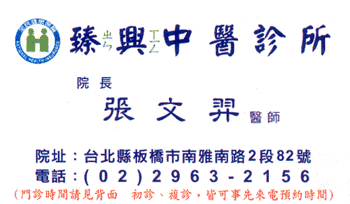
Here’s the business card of a traditional Chinese medicine clinic not far from my home:
namecard with zhuyin

Note that in the top line (臻興中醫診所 — zhēn xīng Zhōngyī zhěnsuǒ) the first two characters are annotated with zhuyin fuhao. That’s because many people do not know the first character.

Most likely the store owner chose to go with a name many people would not understand or know how to say because a fortune-teller said it would bring good luck and riches.

tattoos of Chinese characters / kanji

Tian of the wonderfully amusing Hanzi Smatter Web site was kind enough to respond to some comments of mine by blurbing my site. I’d like to return the favor.

On a related topic, here’s a section from the Pinyin.info FAQ, which should be going up in June:

I want to get a tattoo with kanji / Chinese characters. What do you recommend?

This is probably not what you want to hear: Don’t get the tattoo. Most tattoos with Chinese characters are seriously flawed.

The chances of you getting something that looks good — and not just to you but also to others, including the hundreds of millions of people who can actually read Chinese characters and know how they’re supposed to look — are quite low. Moreover, tattoos of Chinese characters are seldom written properly or represent a correct, idiomatic translation of the wearer’s desired meaning. On the other hand, the chances of you ending up looking more or less like a fool — at least to those who know Chinese characters — are uncomfortably high. These are important considerations, given that you would need to go through pain and expense to have someone permanently stain your skin with an image that very likely will be done wrong in some important way.

Maybe with some assistance I could get a tattoo done right. Would you help me?

Sorry. I like to help people, but this just isn’t something I’d want to get involved with, especially considering all the things that could go wrong.

I already have a tattoo with Chinese characters. Can you tell me if it’s correct or not?

You might want to try Hanzi Smatter, a site “dedicated to the misuse of Chinese characters (Hanzi or Kanji) in Western culture.”